The Environmental Benefits of Using VPNs for Remote Work
Explore how using VPNs can reduce the carbon footprint of remote work, promoting sustainable practices and eco-friendly technology.
Introduction
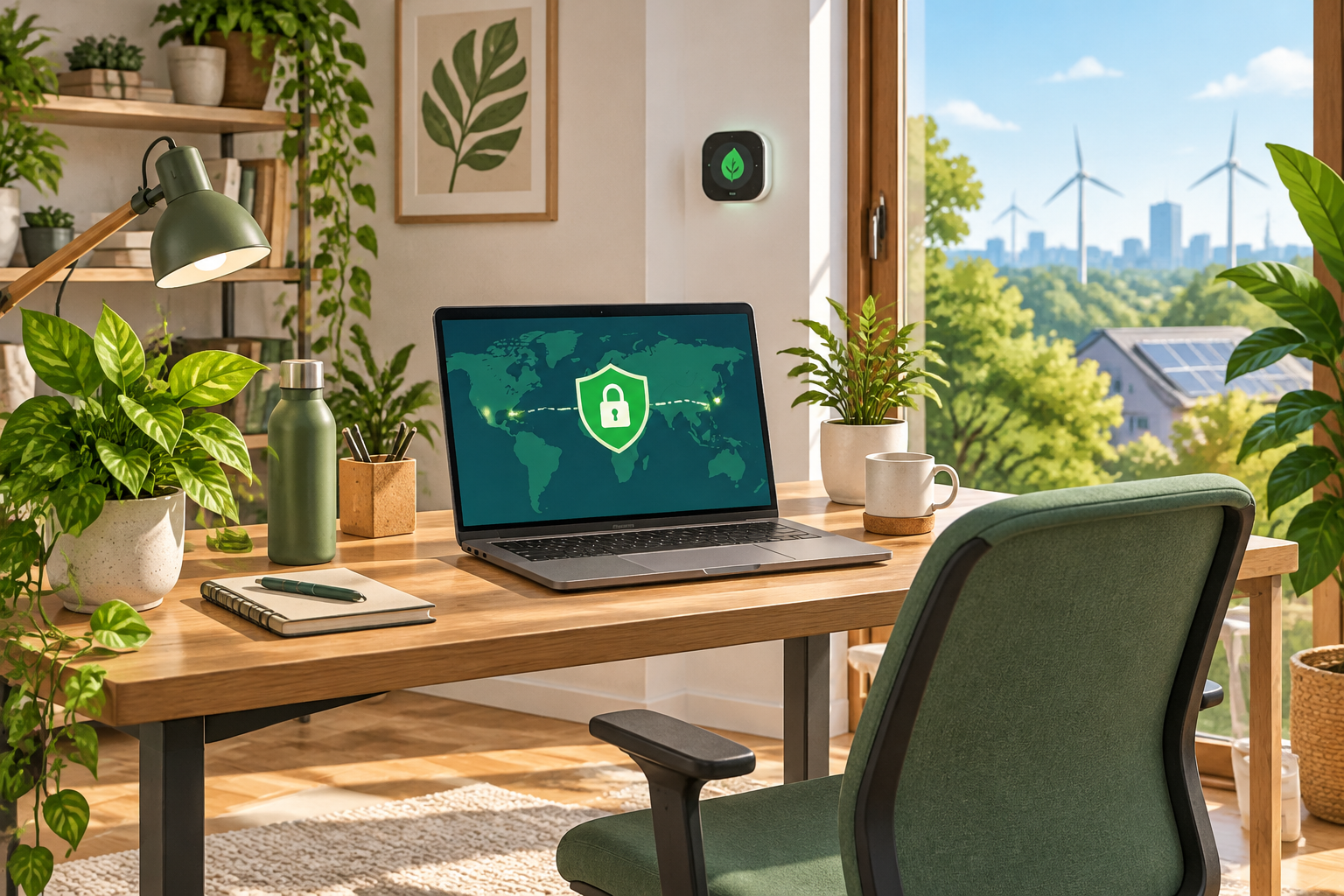
In an age where remote work is becoming increasingly prevalent, understanding the VPN environmental benefits is critical. Virtual Private Networks (VPNs) not only provide security and privacy for remote workers but also contribute to sustainable practices that can help reduce our carbon footprint. As we dive deeper into the relationship between VPN usage and environmental sustainability, we will explore how they promote energy efficiency and eco-friendly technology in remote work environments.
Understanding the Carbon Footprint of Remote Work
To fully appreciate the environmental impact of VPNs, it's essential to first understand the carbon footprint associated with remote work.
The Rise of Remote Work
The shift toward remote work has transformed traditional office settings. While this change has numerous benefits, such as flexibility and reduced commuting time, it also increases energy consumption and greenhouse gas emissions from home offices. The necessity of reliable internet connections, powered devices, and heating or cooling systems can significantly contribute to an individual's carbon footprint.
Measuring the Impact
According to various studies, the energy consumed in a home office can rival that of a small business, particularly when considering multiple devices and network usage. This energy consumption translates into higher carbon emissions, especially in regions where electricity is generated from fossil fuels. As remote work becomes the norm, identifying ways to mitigate this impact is essential.
How VPNs Contribute to Energy Efficiency
VPNs can play a vital role in enhancing energy efficiency, which is crucial for sustainable remote work.
Optimizing Network Usage
By encrypting data and improving connection reliability, VPNs can optimize network usage. This optimization can lead to reduced bandwidth consumption, which in turn decreases the energy required for data transmission. Less energy used in data transfer means a smaller carbon footprint.
Supporting Cloud-Based Solutions
Many VPN services enable seamless access to cloud-based solutions. By utilizing cloud services instead of local servers, remote workers can take advantage of energy-efficient data centers that often use renewable energy sources. This shift not only reduces individual energy consumption but also promotes a more sustainable technological infrastructure.
Sustainable Practices with VPN Use
Incorporating VPNs into daily remote work practices can lead to more sustainable behaviors.
Encouraging Reduced Travel
With robust VPN solutions, businesses can conduct virtual meetings, reducing the need for travel. This reduction in travel contributes to lower carbon emissions associated with transportation, aligning with sustainable remote work initiatives.
Facilitating Green Technology Adoption
VPNs can help businesses transition to eco-friendly technology by providing secure access to innovative tools and platforms. This includes software solutions that allow for more efficient workflows and resource management, further decreasing energy usage and waste.
The Future of Eco-friendly Remote Work
As the world continues to grapple with climate change, the future of remote work will likely emphasize sustainability.
Innovations in VPN Technology
The evolution of VPN technology will likely focus on improving energy efficiency and reducing environmental impact. Features such as smarter data routing and enhanced encryption methods may lead to less energy consumption without sacrificing performance.
The Role of Businesses and Individuals
Both businesses and individuals have a role to play in promoting eco-friendly remote work. Businesses can invest in VPN technologies that prioritize sustainability, while individuals can adopt practices that minimize their carbon footprint. Together, these efforts can lead to a more sustainable future.
Conclusion: Green Technology Choices
In conclusion, the VPN environmental benefits extend beyond security and privacy; they play a crucial role in promoting sustainable remote work practices. By utilizing VPNs, individuals and businesses can contribute to energy savings and support eco-friendly technology. As we move forward, embracing green technology choices will be essential in creating a more sustainable work environment. For those looking to explore VPN options, check out the IngenioVPN plans to find a solution that fits your needs.
FAQs
- How do VPNs help reduce energy consumption in remote work?
VPNs optimize network usage and allow access to energy-efficient cloud solutions, which can result in lower energy consumption.
- Are there specific VPNs that are more eco-friendly than others?
While many VPNs offer security features, those that emphasize energy-efficient practices and sustainable servers may be considered more eco-friendly.
- Can using a VPN impact my internet speed?
VPNs can sometimes reduce internet speed due to encryption; however, many modern VPNs have optimized their services to minimize this impact.
- What are the long-term benefits of using VPNs for sustainable remote work?
Long-term benefits include reduced carbon emissions, energy savings, and support for eco-friendly technologies that promote sustainability.
- Do I need a VPN for remote work to be sustainable?
While a VPN is not strictly necessary for sustainable remote work, it can enhance security and contribute to energy efficiency when used appropriately.
- How can businesses promote sustainable remote work practices?
Businesses can promote sustainability by investing in energy-efficient technologies, encouraging remote work, and utilizing tools like VPNs to facilitate eco-friendly practices.
Related articles
The Connection Between VPNs and Cybersecurity Awareness
Explore the relationship between VPNs and cybersecurity awareness, and learn how to enhance your online safety through education and best practices.
Understanding VPN Logs: What You Need to Know
Explore the essential aspects of VPN logs, their impact on data privacy, and how to choose a VPN that prioritizes your online security.
Debunking VPN Myths: What You Should Know
Explore common VPN myths and discover what these tools can truly do for your online privacy.