Debunking VPN Myths: What You Should Know
Explore common VPN myths and discover what these tools can truly do for your online privacy.
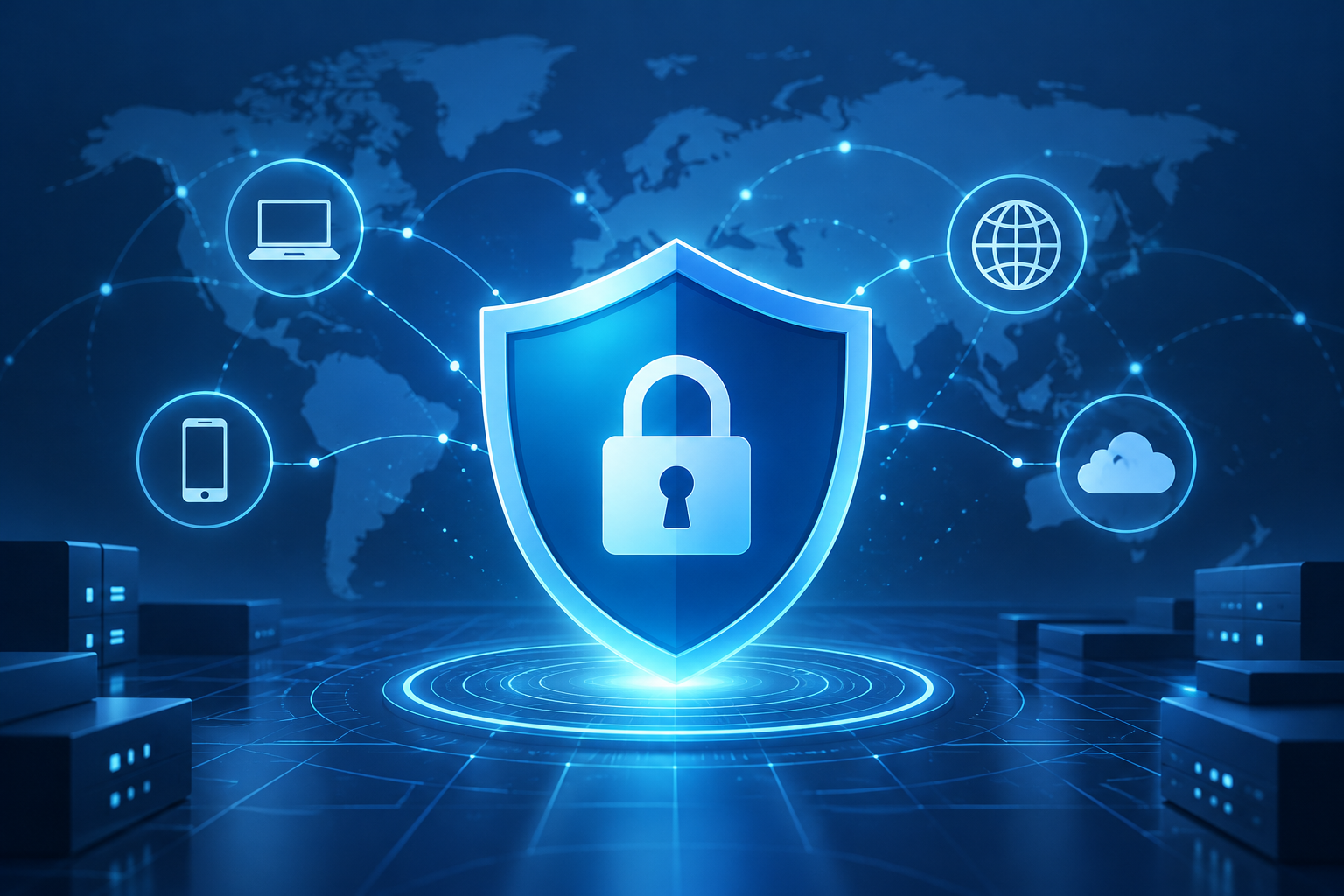
Introduction to VPN Misconceptions
In the world of online privacy, VPN myths abound, leading many users to misunderstand what these tools can actually do. A Virtual Private Network (VPN) is often perceived as a magical solution for all online security issues. However, this perception can lead to unrealistic expectations. In this article, we will debunk several common VPN misconceptions and clarify what VPNs can and cannot do for your online safety.
Myth #1: VPNs Make You Completely Anonymous
Understanding Online Anonymity
One of the most pervasive online privacy myths is that using a VPN guarantees complete anonymity. While VPNs can help obscure your IP address and encrypt your internet traffic, they do not make you completely anonymous. Websites can still track you through other means, such as cookies and browser fingerprinting.
The Role of VPNs in Privacy
VPNs do provide a layer of privacy by masking your IP address from the sites you visit. However, your online activities can still potentially be traced back to you through various digital footprints. Moreover, the level of anonymity can vary based on the VPN provider’s logging policy. Always choose a VPN that adheres to a strict no-logs policy to enhance your privacy.
Myth #2: All VPNs Are the Same
Differentiating VPN Providers
Another common misconception is that all VPNs offer the same features and level of protection. In reality, VPNs can differ significantly in terms of performance, security protocols, and server locations. Some VPNs may prioritize speed while others focus on enhanced security features.
Key Features to Consider
When selecting a VPN, consider the following:
- Encryption Standards: Look for strong encryption protocols like OpenVPN or IKEv2.
- Logging Policies: Ensure the provider has a transparent no-logs policy.
- Speed and Performance: Check user reviews for insights on connection speeds.
- Customer Support: Reliable customer service can be a crucial factor.
Myth #3: VPNs Slow Down Your Internet Significantly
Understanding VPN Performance
Many users believe that using a VPN will inevitably slow down their internet connection. While it's true that some VPNs can introduce latency, a high-quality VPN can actually enhance your browsing experience by allowing you to bypass throttling imposed by your ISP.
Factors Affecting Speed
- Server Location: The further the server is from your physical location, the more potential for slower speeds.
- Server Load: A heavily populated server can experience reduced performance.
- Encryption Overhead: While encryption may add some latency, the impact varies based on the protocol used.
What VPNs Can Actually Do for You
VPNs offer several advantages that enhance online privacy and security, including:
- Data Encryption: VPNs encrypt your internet traffic, making it difficult for hackers and ISPs to intercept your data.
- Bypassing Geoblocks: Access content that is restricted in your region by connecting to servers in different countries.
- Secure Public Wi-Fi Usage: Protect your data when using unsecured public networks, such as those found in cafes or airports.
- Enhanced Security: Some VPNs offer additional features like kill switches and DNS leak protection that further safeguard your online activities.
While VPNs are not a one-size-fits-all solution, they can significantly benefit users who prioritize online privacy and security.
Conclusion: Understanding the Real Benefits of VPNs
In conclusion, understanding the VPN myths surrounding these tools is crucial for making informed decisions about online privacy. VPNs can enhance your security, help you access restricted content, and protect your data on public networks, but they do not provide complete anonymity. For those interested in exploring the benefits of a VPN, check out our IngenioVPN plans for more information.
FAQs
- Do VPNs protect against malware?
VPNs primarily focus on privacy and security but do not typically protect against malware. It's advisable to use antivirus software in conjunction with a VPN.
- Can a VPN help me access streaming services?
Yes, VPNs can help you bypass geographic restrictions on streaming services by connecting to servers in different countries.
- Is it legal to use a VPN?
The legality of VPNs varies by country. Always check local laws regarding VPN usage.
- Will using a VPN protect my information from hackers?
Yes, a VPN encrypts your internet connection, making it more difficult for hackers to intercept your data.
- Can I use a VPN on multiple devices?
Most VPN providers allow usage on multiple devices, but check the specific policy of your chosen VPN.
- Are free VPNs safe to use?
Free VPNs can pose risks, such as limited security features or data selling practices. It's generally safer to use a reputable paid VPN service.
Related articles
The Importance of VPNs for Travelers: Protecting Your Data Abroad
Discover why using a VPN for travelers is essential for ensuring data security while exploring the world.
Enhancing Remote Work Flexibility with VPNs
Explore how VPNs enhance flexibility in remote work, enabling professionals to work from anywhere while ensuring security and privacy.
How VPNs Protect Remote Workers on Public Wi-Fi Networks
Explore how VPNs enhance public Wi-Fi security for remote workers. Learn about risks and tips to stay secure on public networks.