The Importance of VPNs for Travelers: Protecting Your Data Abroad
Discover why using a VPN for travelers is essential for ensuring data security while exploring the world.
Why Online Privacy Matters When Traveling
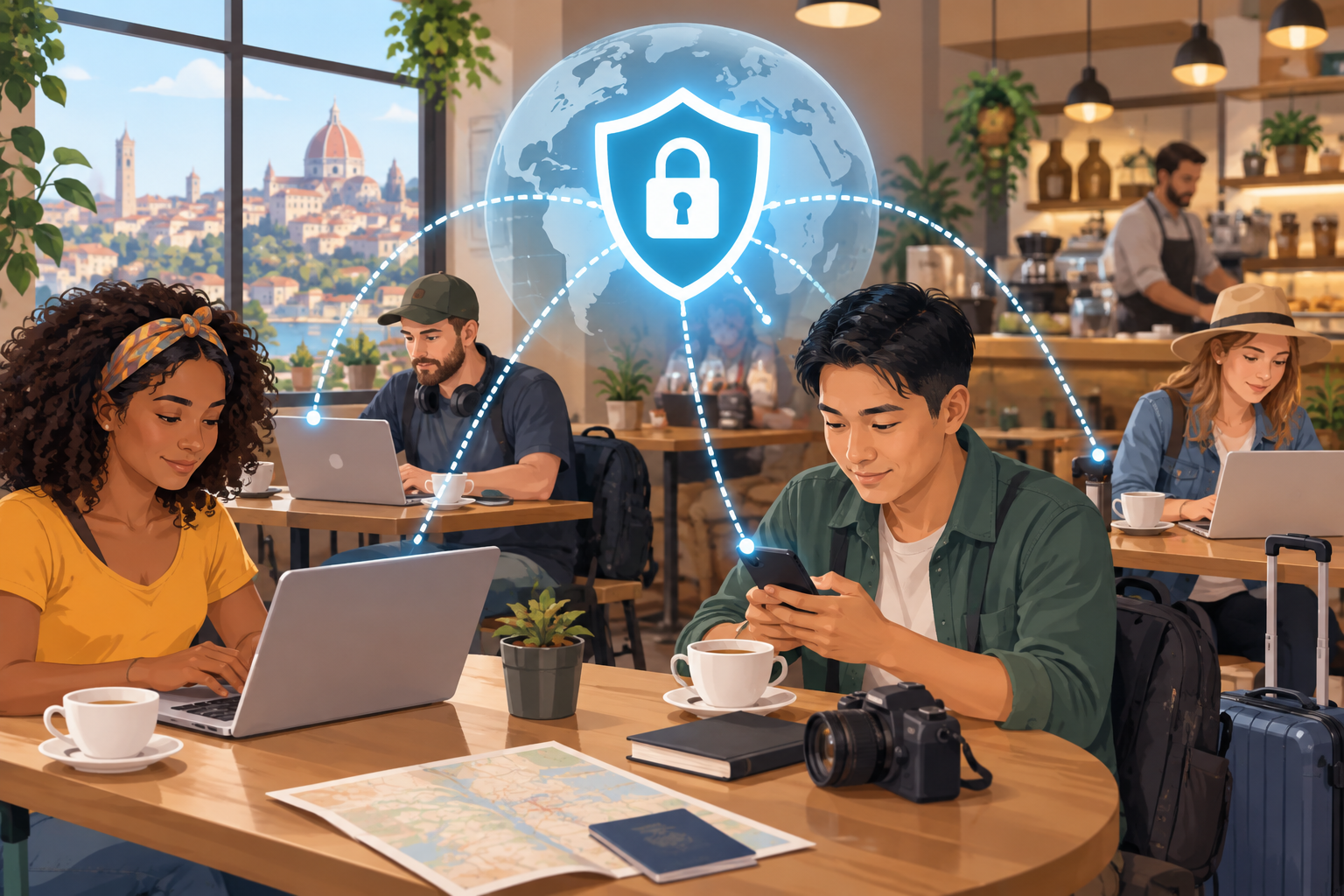
In an increasingly connected world, the need for a VPN for travelers has never been greater. When you travel abroad, your online privacy can be at risk due to various factors, including the use of public Wi-Fi networks and the potential for government surveillance. Understanding why online privacy is crucial can help you make informed decisions to protect your data while enjoying your adventures.
Risks of Public Wi-Fi
Many travelers rely on public Wi-Fi networks in airports, hotels, and cafes. While convenient, these networks are often unsecured, making it easy for hackers to intercept your data. Without protective measures, sensitive information such as passwords, credit card numbers, and personal messages can be compromised.
Government Surveillance
In some countries, government surveillance of internet activities is common. This can pose a risk to your privacy, as authorities may monitor your online behavior. Knowing how to safeguard your data can help you avoid unwanted scrutiny and maintain your online freedom.
How VPNs Protect Your Data on Public Networks
A VPN, or Virtual Private Network, is an essential tool for ensuring travel security. It creates a secure, encrypted tunnel between your device and the internet, effectively shielding your data from prying eyes.
Encryption of Data
When you connect to a VPN, your data is encrypted, meaning it is converted into a secure format that cannot be easily read by outsiders. This encryption protects your information on public networks, making it significantly harder for hackers to access your data.
Masking Your IP Address
A VPN also masks your IP address, making it difficult for websites and services to track your online activities. This feature is particularly useful in regions with strict internet censorship or where your online presence may raise flags.
Best Practices for Using a VPN While Traveling
Using a VPN effectively requires understanding how to integrate it into your travel routine. Here are some best practices to consider:
Choose a Reliable VPN Provider
Not all VPNs are created equal. Research and select a reputable VPN service that offers strong encryption, a no-logs policy, and a user-friendly interface. Look for reviews and recommendations from credible sources.
Always Connect Before Using Public Wi-Fi
Make it a habit to connect to your VPN before accessing any public Wi-Fi network. This ensures that your data is encrypted from the moment you connect, minimizing the risk of exposure.
Disable Location Services
For added privacy, consider disabling location services on your devices while traveling. This can help prevent apps and websites from tracking your physical location, further enhancing your online privacy.
Case Studies: Travelers Who Benefited from a VPN
Real-life examples can illustrate the importance of using a VPN while traveling. Here are a couple of case studies:
Case Study 1: A Business Traveler in Europe
Sarah, a business traveler visiting Europe, relied on public Wi-Fi for her work emails. After connecting to her VPN, she was able to securely access sensitive documents without fear of data theft. Her VPN protected her information, allowing her to focus on her meetings without worrying about cyber threats.
Case Study 2: A Tourist in a Censored Region
John was on vacation in a country with strict internet censorship. By using a VPN, he accessed social media and news websites that were otherwise blocked. The VPN not only provided him with a way to stay connected but also protected his data from potential surveillance.
Choosing the Right VPN for Your Travel Needs
Selecting the right VPN can make a significant difference in your travel experience. Here are some factors to consider:
Server Locations
Choose a VPN provider with a wide range of server locations, especially in the countries you plan to visit. This will give you the flexibility to access region-specific content and services while traveling.
Speed and Performance
Traveling often means you need reliable and fast internet access. Look for a VPN that offers high-speed connections to ensure that streaming, browsing, and downloading are seamless.
Customer Support
Opt for a VPN provider with excellent customer support. Travel plans can change unexpectedly, and having access to responsive support can help you resolve any issues quickly.
Conclusion: Stay Secure on Your Next Adventure
In conclusion, using a VPN for travelers is a crucial step in protecting your data while exploring the world. By understanding the risks associated with public networks and implementing best practices for VPN usage, you can enjoy your travels with peace of mind. For more information on our services and to explore our offerings, check out our IngenioVPN plans. Safe travels and stay secure on your next adventure!
FAQs
- Why do I need a VPN while traveling?
A VPN protects your data from cyber threats and ensures your online activities remain private, especially when using public Wi-Fi.
- Can I use a free VPN while traveling?
While free VPNs can provide basic protection, they often lack the security features and reliability of paid services, making them less suitable for travel.
- Will a VPN slow down my internet speed?
Some VPNs can reduce speed due to encryption processes, but reputable services typically offer fast connections that minimize this impact.
- Is it legal to use a VPN in all countries?
VPN legality varies by country. Always check local laws and regulations before using a VPN while traveling.
- How do I set up a VPN on my device?
Most VPN providers offer user-friendly apps for various devices. Simply download the app, create an account, and follow the setup instructions.
- Can I access streaming services with a VPN?
Yes, a VPN can help you access geo-restricted content on streaming services by masking your IP address and simulating a location in a different country.
Related articles
Debunking VPN Myths: What You Should Know
Explore common VPN myths and discover what these tools can truly do for your online privacy.
Enhancing Remote Work Flexibility with VPNs
Explore how VPNs enhance flexibility in remote work, enabling professionals to work from anywhere while ensuring security and privacy.
How VPNs Protect Remote Workers on Public Wi-Fi Networks
Explore how VPNs enhance public Wi-Fi security for remote workers. Learn about risks and tips to stay secure on public networks.