The Importance of VPNs for Maintaining Online Anonymity
In an increasingly connected world, maintaining online anonymity is vital. Learn how VPNs help ensure your privacy.
What is Online Anonymity?
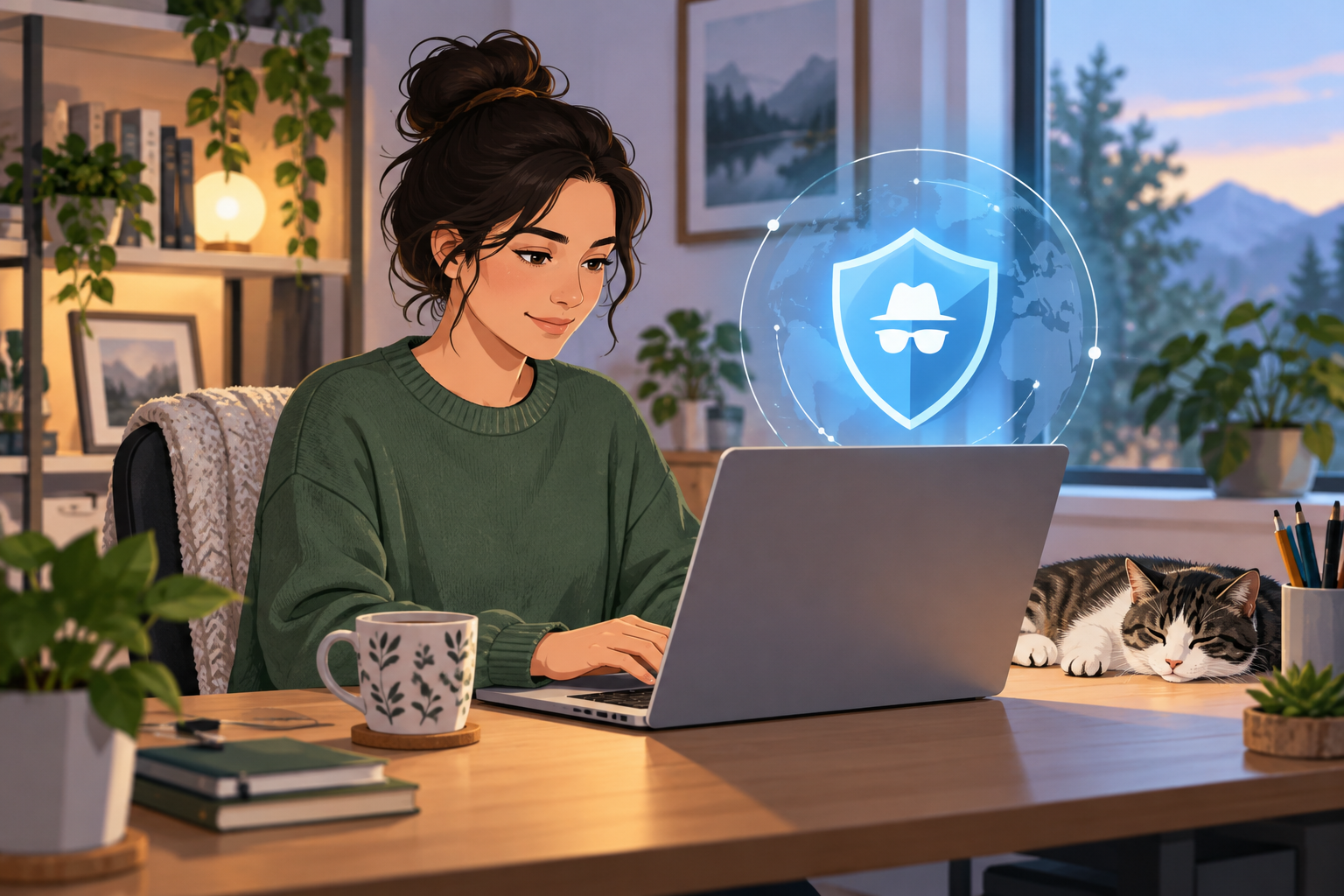
Online anonymity refers to the ability to use the internet without revealing your identity or personal information. This concept is crucial in today’s digital landscape, where data breaches, surveillance, and invasive advertising practices are rampant. Staying anonymous online helps protect individuals from identity theft, unwanted tracking, and harassment.
The Importance of Online Anonymity
- Privacy Protection: Anonymity provides a barrier against unwanted scrutiny from advertisers, hackers, and even government entities.
- Freedom of Expression: Individuals can express their opinions without fear of backlash or persecution, especially in regions where censorship is prevalent.
- Security Enhancements: Anonymity can lead to safer online interactions and transactions, reducing the risk of fraud.
How VPNs Work to Ensure Anonymity
Virtual Private Networks (VPNs) are essential tools for maintaining online anonymity. By encrypting your internet connection and masking your IP address, VPNs create a secure tunnel for your data, making it difficult for outsiders to track your online activities.
Key Functions of VPNs
- IP Address Masking: When you connect to a VPN server, your real IP address is replaced with that of the server. This helps obscure your location and identity.
- Data Encryption: VPNs encrypt your internet traffic, making it unreadable to anyone who might intercept it.
- Safe Browsing: By routing your connection through a secure server, VPNs help you access geo-restricted content while maintaining your anonymity.
Common Threats to Online Anonymity for Remote Workers
As remote work becomes increasingly common, understanding the threats to online anonymity is critical for professionals working from home.
1. Public Wi-Fi Risks
Using public Wi-Fi networks can expose remote workers to various threats, including eavesdropping and man-in-the-middle attacks. Hackers can easily intercept data transmitted over unsecured networks.
2. Tracking Cookies
Websites often use tracking cookies to monitor user behavior. These cookies can build a profile of your online activities, undermining your anonymity.
3. ISP Monitoring
Internet Service Providers (ISPs) can log your online activities. This data can be sold or shared with third parties, compromising your privacy.
4. Phishing Attacks
Remote workers are often targets for phishing attacks, where malicious actors impersonate legitimate entities to steal sensitive information. Anonymity can help protect against these threats by limiting the amount of personal information available online.
Best Practices for Maintaining Anonymity with VPNs
While using a VPN is a significant step toward achieving online anonymity, there are additional best practices to enhance your privacy.
1. Choose a Reliable VPN Provider
Opt for a trusted VPN service that does not log your online activities. Research customer reviews and check for transparency in their privacy policies.
2. Enable Kill Switch Features
Many VPNs offer a kill switch feature that disconnects your internet if the VPN connection drops. This ensures that your real IP address remains hidden even during temporary disconnections.
3. Regularly Update Software
Keep your VPN and any connected devices updated to protect against vulnerabilities that could compromise your privacy.
4. Use Secure Protocols
Select a VPN that employs strong encryption protocols like OpenVPN or IKEv2, which provide enhanced security for your data.
5. Be Aware of Your Online Behavior
Even with a VPN, be cautious about the information you share online. Avoid oversharing on social media or signing up for services that require personal details unless necessary.
Conclusion: The Essential Role of Anonymity
In a world where online privacy is under constant threat, VPNs serve as a vital tool for maintaining VPN online anonymity. By adopting best practices and using a reliable VPN service, users can significantly enhance their online security and privacy. To find the right plan for your needs, check out IngenioVPN plans and take the first step towards a safer online experience.
FAQs
- What is a VPN?
A VPN, or Virtual Private Network, is a service that encrypts your internet connection and masks your IP address to enhance online privacy.
- Can a VPN guarantee complete anonymity?
While a VPN significantly improves online anonymity, no solution can guarantee complete privacy. It’s essential to combine it with other privacy practices.
- Is using a VPN legal?
Yes, using a VPN is legal in most countries; however, laws vary by region. Always check the regulations in your country.
- Can I use a VPN on my mobile device?
Yes, most VPN providers offer applications for mobile devices, allowing you to maintain your anonymity on the go.
- Do free VPNs provide sufficient anonymity?
Free VPNs often come with limitations and may log your data, which can compromise your anonymity. Paid services are usually more reliable.
- How often should I change my VPN server?
It’s advisable to change your VPN server periodically, especially if you notice slow speeds or if you are accessing content that may be region-restricted.
Related articles
Debunking VPN Myths: What You Should Know
Explore common VPN myths and discover what these tools can truly do for your online privacy.
The Importance of VPNs for Travelers: Protecting Your Data Abroad
Discover why using a VPN for travelers is essential for ensuring data security while exploring the world.
Enhancing Remote Work Flexibility with VPNs
Explore how VPNs enhance flexibility in remote work, enabling professionals to work from anywhere while ensuring security and privacy.