The Role of VPNs in Complying with Data Protection Regulations
Explore how VPNs assist remote workers in meeting data protection regulations and ensuring compliance with data privacy laws.
Overview of Data Protection Regulations
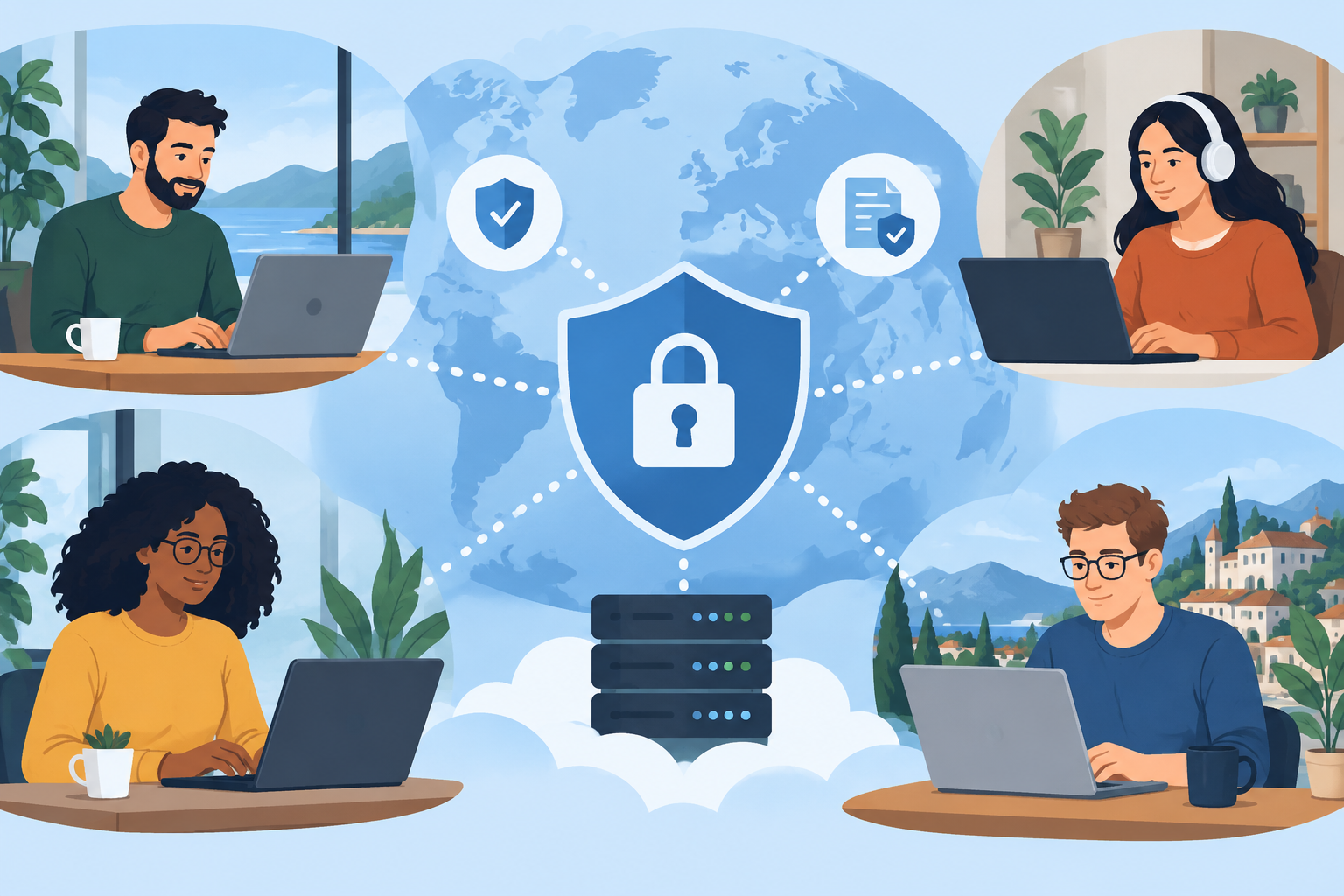
In today's digital landscape, data protection regulations have become increasingly stringent, especially with the rise of remote work. Laws such as the General Data Protection Regulation (GDPR) in Europe and the California Consumer Privacy Act (CCPA) in the United States mandate strict guidelines for how companies handle personal data. VPN data protection compliance is critical for remote workers who need to ensure their activities align with these regulations while accessing company resources securely.
Key Regulations Affecting Remote Workers
- General Data Protection Regulation (GDPR): This regulation enforces strict data protection and privacy standards for individuals within the European Union. Companies must obtain consent before processing personal data and provide transparency regarding data usage.
- California Consumer Privacy Act (CCPA): Similar to GDPR, the CCPA grants California residents greater control over their personal data, including rights to access and delete their information.
- Health Insurance Portability and Accountability Act (HIPAA): For companies in the healthcare sector, HIPAA mandates the protection of sensitive patient information, requiring secure communication channels, especially for remote healthcare workers.
How VPNs Support Compliance Efforts
Virtual Private Networks (VPNs) play a vital role in helping remote workers adhere to data protection regulations. By encrypting internet traffic and masking IP addresses, VPNs create a secure environment for data transmission.
Encryption and Data Protection
- Data Encryption: VPNs encrypt data sent over the internet, making it unreadable to unauthorized users. This is particularly important for remote workers handling sensitive information, as it minimizes the risk of data breaches during transmission.
- Secure Connections: VPNs establish secure connections to company networks, ensuring that remote workers can access internal systems safely without exposing sensitive data to potential cyber threats.
Anonymity and Privacy
- IP Address Masking: By masking their IP addresses, remote workers can maintain their privacy online. This is important not only for personal security but also for compliance with regulations that emphasize user privacy rights.
- Location Flexibility: VPNs allow employees to work from various locations without compromising compliance. They can connect to servers in different countries, ensuring their data is processed in accordance with local laws.
Industry-Specific Compliance Needs
Different industries face unique data privacy laws, making it essential for companies to understand their specific compliance requirements when employing VPNs.
Healthcare Industry
- HIPAA Compliance: Healthcare organizations must ensure that all communications involving patient data are secure and compliant with HIPAA regulations. VPNs can help by creating encrypted tunnels for transmitting sensitive health information.
Financial Services
- Gramm-Leach-Bliley Act (GLBA): This act requires financial institutions to protect consumer information. VPNs can enhance security measures by ensuring that remote employees access financial systems securely and comply with data protection laws.
Education Sector
- Family Educational Rights and Privacy Act (FERPA): Educational institutions must protect student information. VPNs offer a secure way for remote educators to access and manage student data while adhering to FERPA requirements.
Choosing the Right VPN for Compliance
When selecting a VPN for compliance purposes, organizations should consider several factors to ensure they meet regulatory requirements effectively.
Key Features to Look For
- Strong Encryption Protocols: Look for VPNs that offer robust encryption standards, such as AES-256, to protect sensitive data.
- No-Log Policy: A strict no-log policy ensures that the VPN provider does not store any browsing history or user data, which is crucial for compliance with privacy laws.
- Jurisdiction: Consider the jurisdiction of the VPN provider. A provider based in a country with strict data protection laws can offer additional assurance.
- Compliance Certifications: Some VPN providers have certifications that demonstrate their commitment to data protection and privacy standards, which can be a valuable asset for compliance.
Recommended VPNs for Compliance
While there are many VPN services available, organizations should prioritize those that have a proven track record in supporting data protection compliance. Researching and reading reviews from trusted sources can help guide the selection process.
Conclusion: Legal Security through VPNs
As remote work continues to grow, understanding data protection regulations and how VPNs can assist in compliance is essential. VPNs not only enhance security but also empower remote workers to navigate complex data privacy laws effectively. By selecting the right VPN, organizations can ensure that they remain compliant while protecting their employees and customers.
For more insights and options, check out IngenioVPN plans to find the right solution for your compliance needs.
FAQs
- What is a VPN and how does it enhance data protection?
A VPN encrypts your internet connection and masks your IP address, providing a secure channel for data transmission and enhancing overall data protection.
- Do all VPNs comply with data protection regulations?
Not all VPNs are created equal; it’s essential to choose a VPN that specifically advertises compliance features relevant to your industry and regulations.
- Can a VPN alone ensure compliance with data privacy laws?
While a VPN is a vital tool for enhancing security, compliance also requires adherence to other policies and practices within the organization.
- How do I know if my VPN provider is trustworthy?
Look for VPN providers with a no-log policy, strong encryption standards, and positive reviews from reputable sources in the cybersecurity industry.
- What are the risks of not using a VPN for remote work?
Without a VPN, remote workers risk exposing sensitive data to potential breaches, which can lead to non-compliance with data protection regulations.
- Are there any specific VPNs recommended for healthcare compliance?
While many VPNs can support healthcare compliance, it’s recommended to choose those with specific features that meet HIPAA requirements, such as strong encryption and audit logs.
Related articles
The Connection Between VPNs and Cybersecurity Awareness
Explore the relationship between VPNs and cybersecurity awareness, and learn how to enhance your online safety through education and best practices.
How VPNs Enhance Security for Smart Home Devices
Discover how a VPN can significantly enhance the security of your smart home devices and protect your IoT privacy.
VPNs for Digital Nomads: Staying Safe on the Move
Explore how VPNs can help digital nomads stay secure while traveling and working remotely.