VPNs for Digital Nomads: Staying Safe on the Move
Explore how VPNs can help digital nomads stay secure while traveling and working remotely.
Introduction
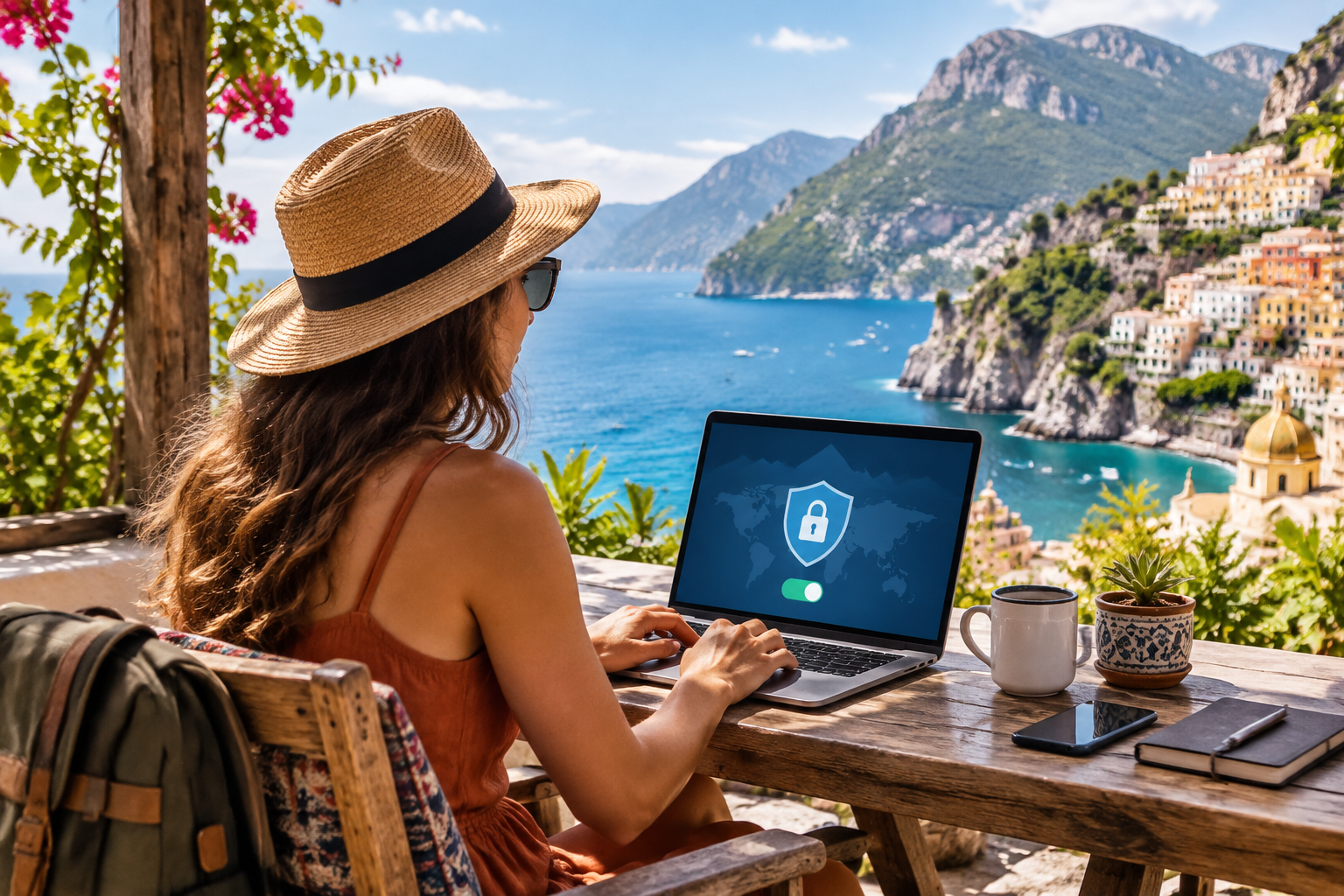
In today's globalized world, VPN digital nomads have become a common term as more professionals choose to embrace a lifestyle that combines work and travel. For these individuals, the freedom to work from anywhere comes with unique challenges, particularly regarding online safety and privacy. This comprehensive guide will explore the importance of VPNs for digital nomads, the challenges they face, and how a VPN can enhance their travel experience.
Who are Digital Nomads?
Digital nomads are individuals who leverage technology to work remotely while traveling the world. They often take advantage of internet connectivity to perform their jobs from various locations, be it a beach in Bali, a café in Paris, or a co-working space in Barcelona. This lifestyle allows for flexibility, adventure, and the opportunity to explore different cultures while maintaining a career.
Characteristics of Digital Nomads
- Remote Workers: They typically work in jobs that allow for remote access, such as software development, content creation, or digital marketing.
- Travel Enthusiasts: Digital nomads often prioritize travel, seeking new experiences and environments in which to live and work.
- Tech-Savvy: They rely on technology and tools like laptops, smartphones, and VPNs to stay connected and productive.
Unique Challenges Faced by Digital Nomads
While the digital nomad lifestyle offers many benefits, it is not without its challenges. Here are some of the most pressing issues they face:
1. Online Security Risks
Traveling often means connecting to public Wi-Fi networks, which can expose sensitive information to cyber threats. Digital nomads are particularly vulnerable to data breaches and hacking attempts.
2. Access to Content
Certain websites and services may be restricted based on geographic location. For instance, streaming services may have different content libraries depending on the country.
3. Privacy Concerns
With rising concerns about surveillance and data privacy, digital nomads must ensure their online activities remain confidential and secure from prying eyes.
4. Compliance with Local Laws
Different countries have varying laws regarding internet usage, data protection, and privacy. Digital nomads must navigate these regulations to avoid legal issues.
How VPNs Address These Challenges
A Virtual Private Network (VPN) can be a powerful tool for digital nomads, addressing many of the challenges they face while traveling. Here’s how:
1. Enhanced Online Security
VPNs encrypt internet traffic, creating a secure tunnel between the user's device and the VPN server. This encryption helps protect data from potential hackers, especially when using public Wi-Fi networks.
2. Bypassing Geographic Restrictions
VPNs allow users to change their virtual location, enabling access to content that may be restricted in certain countries. By connecting to a server in a different location, digital nomads can enjoy their favorite shows or websites regardless of where they are.
3. Improved Privacy
With a VPN, users can mask their IP addresses, making it harder for websites, advertisers, and even governments to track their online activities. This anonymity is crucial for maintaining privacy while working and browsing.
4. Legal Compliance
Many VPN services provide servers in multiple countries, allowing users to comply with local regulations while accessing the internet securely. However, it is essential to research and understand the laws regarding VPN usage in each country visited.
Best VPN Features for Travelers
When selecting a VPN for traveling, digital nomads should look for specific features that enhance their experience:
1. Speed and Performance
A reliable VPN should offer fast connection speeds to ensure seamless browsing, streaming, and downloading.
2. Global Server Locations
A diverse server network allows users to access content from various countries, providing flexibility in both work and entertainment.
3. User-Friendly Interface
Digital nomads often need to connect and disconnect from their VPN quickly. A straightforward, intuitive interface makes this process hassle-free.
4. Strong Encryption and Security Protocols
Robust encryption standards (like AES-256) and secure protocols (like OpenVPN) are essential for protecting sensitive information.
5. No-Log Policy
A strict no-log policy ensures that the VPN provider does not store any user data, further enhancing privacy and security.
6. Multi-Device Support
Digital nomads frequently use multiple devices. A VPN that supports various platforms (Windows, macOS, iOS, Android) is essential for comprehensive security.
Conclusion: Traveling Safely with VPNs
For digital nomads, maintaining online security and privacy while traveling is crucial. A quality VPN can address many challenges faced by traveling remote workers, providing enhanced security, access to content, and compliance with local laws. As you embark on your journey, consider investing in a reliable VPN service to ensure a safe and enjoyable experience.
For more information on how to choose the right VPN for your needs, check out our IngenioVPN plans.
FAQs
- What is a VPN and how does it work?
A VPN, or Virtual Private Network, encrypts your internet connection, providing privacy and security while browsing online. It routes your connection through a server, masking your IP address.
- Are there any risks associated with using a VPN?
While using a VPN enhances privacy, some risks include choosing unreliable VPN providers that may log your data. Always opt for reputable services with a no-log policy.
- Can I use a VPN on public Wi-Fi?
Yes, using a VPN on public Wi-Fi is highly recommended as it protects your data from potential cyber threats.
- Is it legal to use a VPN while traveling?
VPN legality varies by country. In many places, they are legal, but some countries have restrictions. Always check local laws before using a VPN.
- How do I choose the best VPN for my needs?
Consider factors like speed, server locations, security features, and user reviews when selecting a VPN.
- Can I access streaming services with a VPN?
Yes, a VPN can help you bypass geographic restrictions and access streaming services from different locations.
Related articles
The Connection Between VPNs and Cybersecurity Awareness
Explore the relationship between VPNs and cybersecurity awareness, and learn how to enhance your online safety through education and best practices.
How VPNs Enhance Security for Smart Home Devices
Discover how a VPN can significantly enhance the security of your smart home devices and protect your IoT privacy.
The Role of VPNs in Complying with Data Protection Regulations
Explore how VPNs assist remote workers in meeting data protection regulations and ensuring compliance with data privacy laws.