The Role of VPNs in Protecting Sensitive Data for Remote Workers
Explore how VPNs enhance data protection for remote workers navigating today's digital landscape.
Introduction
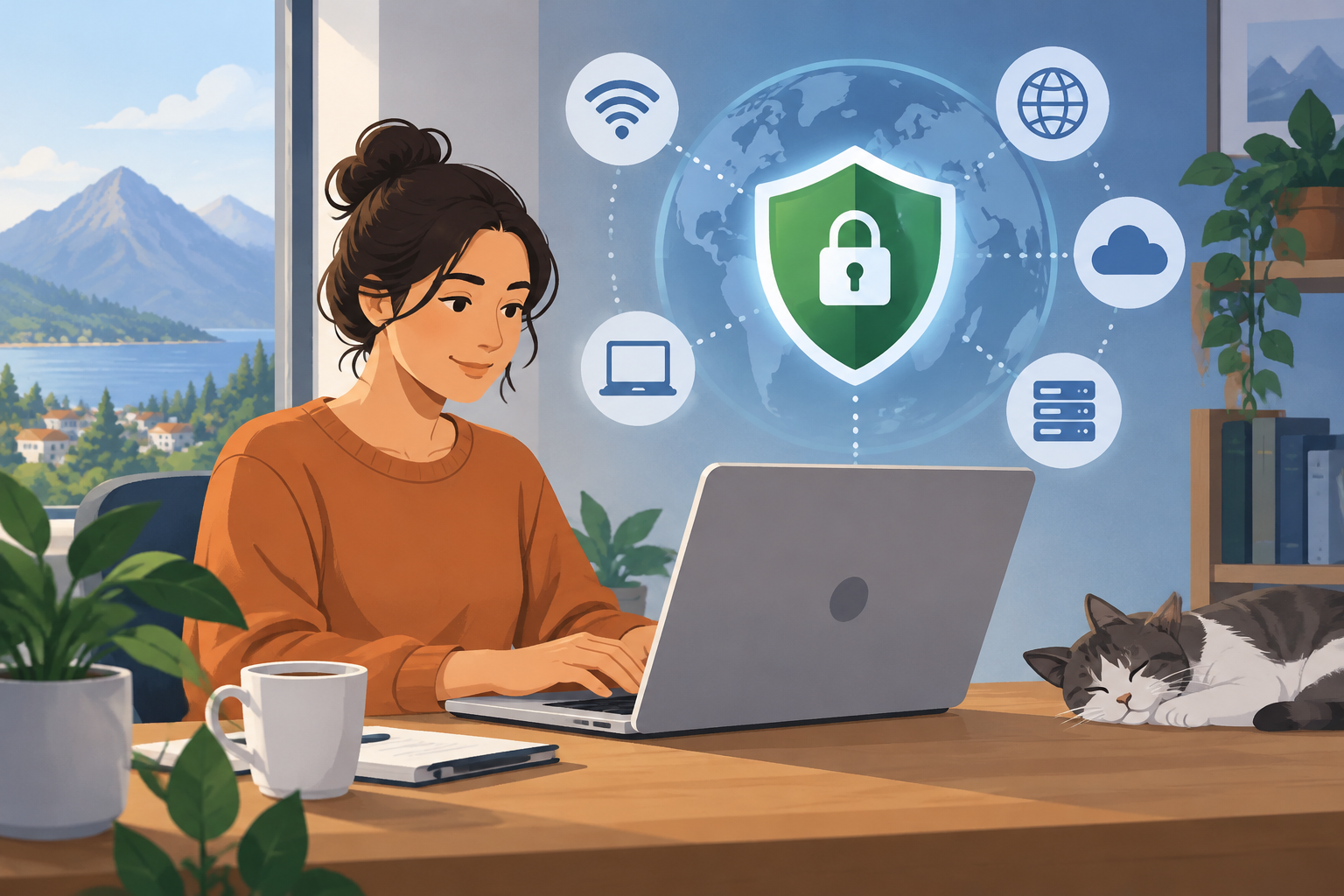
In today's digital landscape, remote work has become increasingly common, making VPN data protection essential for individuals handling sensitive information. As employees access corporate resources from various locations, the risk of data breaches rises. VPNs (Virtual Private Networks) play a crucial role in securing online activities, ensuring that sensitive data remains protected from unauthorized access.
Understanding Data Risks for Remote Workers
Remote workers face unique challenges when it comes to data security. Understanding these risks is crucial for implementing effective protection measures.
Common Risks
- Public Wi-Fi Threats: Many remote workers use public Wi-Fi networks, which are often unsecured, making it easy for cybercriminals to intercept data.
- Phishing Attacks: Remote work environments can be targeted by sophisticated phishing schemes, where attackers trick employees into revealing sensitive information.
- Device Vulnerabilities: Personal devices may not have the same security measures as corporate networks, leading to increased vulnerability.
Impact on Organizations
Data breaches can lead to significant financial losses and damage an organization's reputation. Remote workers, if unprotected, can inadvertently expose their companies to risks, making it critical to adopt robust security measures.
How VPNs Encrypt Your Data
VPNs provide a layer of VPN encryption that protects data as it travels across the internet. Understanding how this works is key to appreciating their value.
What is VPN Encryption?
VPN encryption is the process of converting data into a code to prevent unauthorized access. This ensures that even if data is intercepted, it cannot be read without the proper decryption key.
Types of VPN Protocols
- OpenVPN: Highly regarded for its security and flexibility, OpenVPN is an open-source protocol that is widely used in the industry.
- IKEv2/IPsec: Known for its speed and stability, IKEv2/IPsec is especially effective for mobile devices.
- L2TP/IPsec: This protocol combines the features of L2TP and IPsec, providing additional security.
Benefits of VPN Encryption
Using a VPN encrypts your data, making it extremely difficult for hackers or unauthorized entities to access sensitive information. This is particularly important for remote workers who may be using less secure networks.
Real-Life Scenarios of Data Breaches
Understanding the potential consequences of inadequate data protection can highlight the importance of using VPNs.
Case Study 1: Public Wi-Fi Breach
A remote worker connected to a public Wi-Fi network without a VPN found their login credentials compromised. The attacker gained access to sensitive company data, leading to a costly data breach.
Case Study 2: Phishing Attack
An employee received a seemingly legitimate email requesting sensitive information. Without proper remote work safety practices, the employee fell victim to the attack, exposing the organization to risks.
Lessons Learned
These scenarios underscore the importance of employing VPN data protection and raising awareness about potential threats. Organizations must ensure their remote workers are equipped with the right tools and knowledge to protect their data.
Choosing a VPN with Strong Security Features
Not all VPNs offer the same level of protection. When selecting a VPN, consider the following security features:
Key Features to Look For
- Strong Encryption Standards: Look for VPNs that offer at least 256-bit AES encryption, which is considered highly secure.
- No-Logs Policy: A VPN should not keep logs of user activity, ensuring privacy.
- Kill Switch: This feature disconnects your internet connection if the VPN drops, preventing data exposure.
- Multi-Device Support: Ensure the VPN can be used on multiple devices, accommodating the various tools remote workers may utilize.
Popular VPNs for Remote Workers
While there are many options available, selecting a reputable provider is essential. Look for user reviews and expert analyses to find a VPN that meets your security needs.
Conclusion and Best Practices
In conclusion, utilizing a VPN is critical for protecting sensitive data in a remote work environment. To maximize data security, remote workers should adhere to the following best practices:
- Always connect to a VPN before accessing company resources.
- Avoid using public Wi-Fi without a secure connection.
- Regularly update devices and software to protect against vulnerabilities.
- Stay informed about phishing tactics and other cyber threats.
By integrating these practices, remote workers can significantly enhance their data protection efforts, ensuring a safer online experience. For more information on how IngenioVPN can help safeguard your online activities, check out our IngenioVPN plans.
FAQs
- What is a VPN and how does it protect my data?
A VPN encrypts your internet connection, protecting your data from unauthorized access while you browse online.
- Is it safe to use public Wi-Fi without a VPN?
No, using public Wi-Fi without a VPN exposes your data to potential interception by cybercriminals.
- What should I look for when choosing a VPN?
Look for features such as strong encryption, a no-logs policy, a kill switch, and multi-device support.
- Can a VPN prevent phishing attacks?
While a VPN cannot prevent phishing attacks directly, it can protect your data in case of a breach.
- Are all VPNs the same in terms of security?
No, VPNs differ in encryption standards, features, and privacy policies, so it’s essential to choose one wisely.
- How can I ensure my remote work is safe?
Use a VPN, stay updated on security practices, and avoid accessing sensitive information on unsecured networks.
Related articles
Debunking VPN Myths: What You Should Know
Explore common VPN myths and discover what these tools can truly do for your online privacy.
The Importance of VPNs for Travelers: Protecting Your Data Abroad
Discover why using a VPN for travelers is essential for ensuring data security while exploring the world.

Enhancing Remote Work Flexibility with VPNs
Explore how VPNs enhance flexibility in remote work, enabling professionals to work from anywhere while ensuring security and privacy.